
Inside the Novel: Precision Power
Getting cigarettes right—and wrong
In his recent profile of author Colson Whitehead, New Yorker staff writer Julian Lucas offered up the following description of Whitehead’s research process for the 1970s-set novel, Crook Manifesto:
Whitehead trawled the front pages of every New York Times from the period, read mayors’ memoirs and the autobiography of a mobster’s widow, and watched strangers’ digitized 8-mm. footage on YouTube. “Were they wearing hats?” he said. “How much was a tongue sandwich? For me, that’s gold.” Realism and fantasy go hand in hand, he told me: “Being precise allows you to make things up.”
I smiled when I read that last sentence, because it reflects how I’ve come to think about historical research. In my previous professional iteration, when I wrote only historical non-fiction, I considered historical precision an essential tool in creating an immersive reading experience. Now, as I pivot to fiction, I find that precision gives me something else: the ability to, as Whitehead puts it, “make things up.”
When writers of historical fiction speak of precision, they often are referring to the process of identifying and including historical details that accurately represent a certain time period. For Whitehead, that means figuring out what people in 1970s Harlem wore on their heads and how much they paid for a tongue sandwich. For someone like Hilary Mantel, it means describing the Tudor-era stench of decaying floor mats polluted with food scraps and dog urine. It’s those types of granular details that bring the past alive in the reader’s mind.
I’ve always been pretty good at unearthing and deploying such historical tidbits in my writing. Or so I thought. Turns out I still have work to do on the precision score.
The cigarettes tell the story.
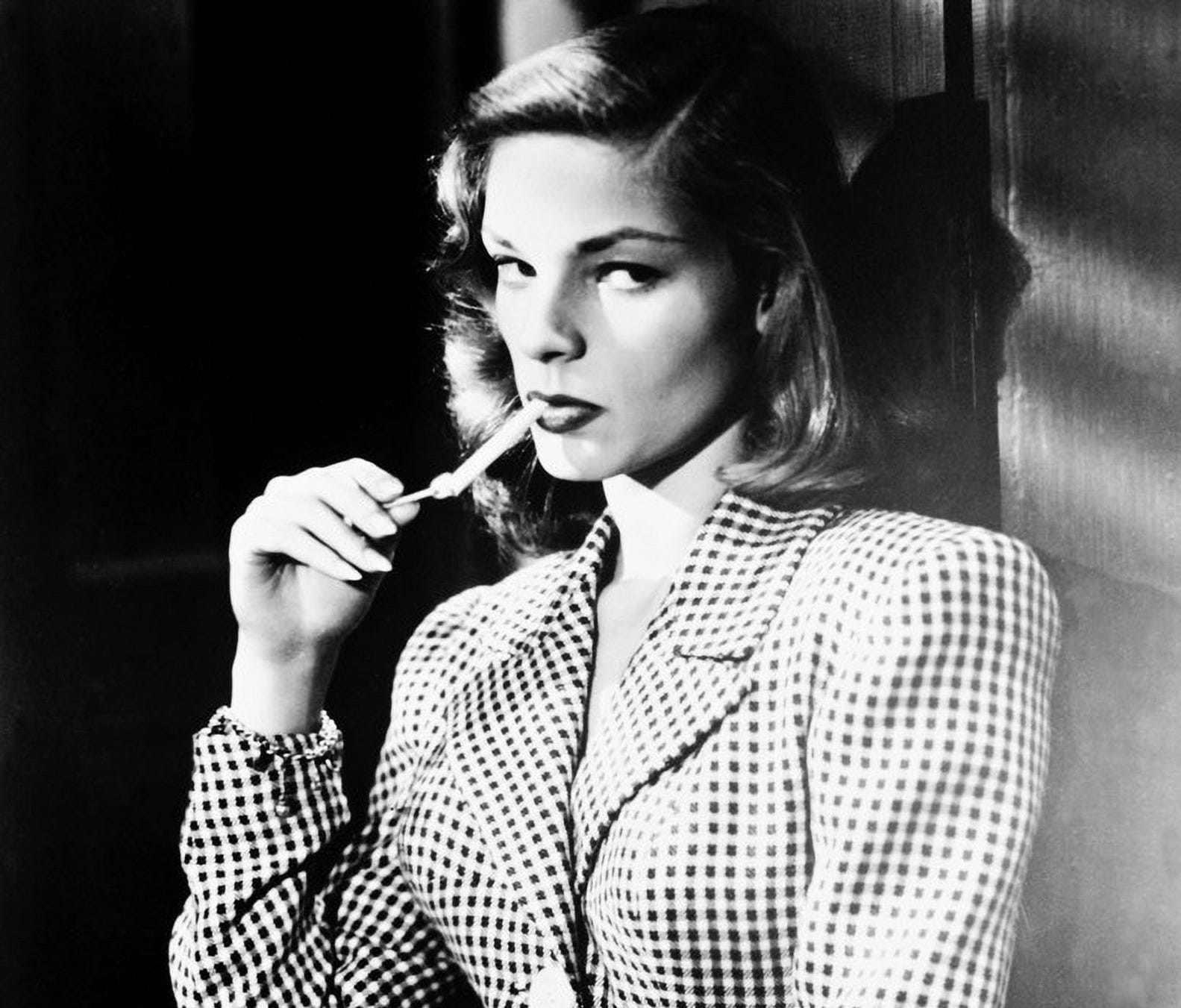
My debut novel, Helium, has a bunch of cigarettes in it. It should. It’s set during the late 1940s and early 1950s, the historical peak of cigarette smoking in the United States. The characters in Helium smoke Chesterfields and Marlboros, and ignite them with Ronson lighters. They snuff out butts with capeskin loafers. Cigarettes dangle from their lips and fill their lungs with smoke. Characters toss extinguished matches in ashtrays. Their hands cup matches to facilitate lighting in gusty winds. They even see non-existent cigarettes during hallucinatory psychedelic trips. Helium has no shortage of little paper cylinders packed with tobacco.
But despite my best efforts, it looks like I fell a bit short in my pursuit of cigarette precision. This humbling realization comes courtesy of one of Helium’s first reviewers, the suspense writer Tim Wright. (You should subscribe to Tim’s Substack, “Wright Stories;” you’ll be glad you did.) After reading and reviewing Helium, Tim messaged me directly to point out several anachronisms that he’d noted, including a couple relating specifically to cigarettes. For one thing, he said, an early scene in which two characters exit a Greyhound bus for a smoke break hit him as unrealistic since buses at the time had ashtrays built into their seats’ arm rests, and there would have been no reason for the characters to head outside. For another, it was unlikely that my main male character, George, would have smoked Marlboros, since that brand was marketed primarily to women until the mid 1950s.
Neither of the smoking anachronisms that Tim flagged strike me as particularly egregious, but still, I should have known better. (As Tim put it: “Not as bad as George Washington wielding a stapler, but it helps to watch out.”) From now on, I’ll redouble my fact-checking to reduce the chances of introducing questionable historical details. As a writer convinced of the power of precision, I think it’s the least I can do.
Thanks for the shout-out.